
Roofing Warranty Guide for Garland, TX
Two warranties, and one goes in writing before work starts.
Every roof carries two separate warranties, and a warranty you cannot read before you sign is not protection. Here is what the workmanship and the manufacturer coverage each protect, how long each runs, and the quiet mistakes that void them.
What your Garland roof warranty really covers
Two warranties come with a new roof, and they protect different things. The manufacturer stands behind the shingle against factory defects; the roofer stands behind the installation. Most day-to-day roof trouble is a workmanship problem, a flashing or a nailing issue, not a bad shingle, so the install warranty is the one that tends to matter.
Garland's housing stock leans older, with a median build around 1980, so plenty of these roofs are already on a second or third covering, where a rushed install can quietly cost you coverage. That is why a local roofer puts the workmanship terms in writing before the first shingle comes off, with the exact length depending on the roof, the materials, and the shingle line you choose.
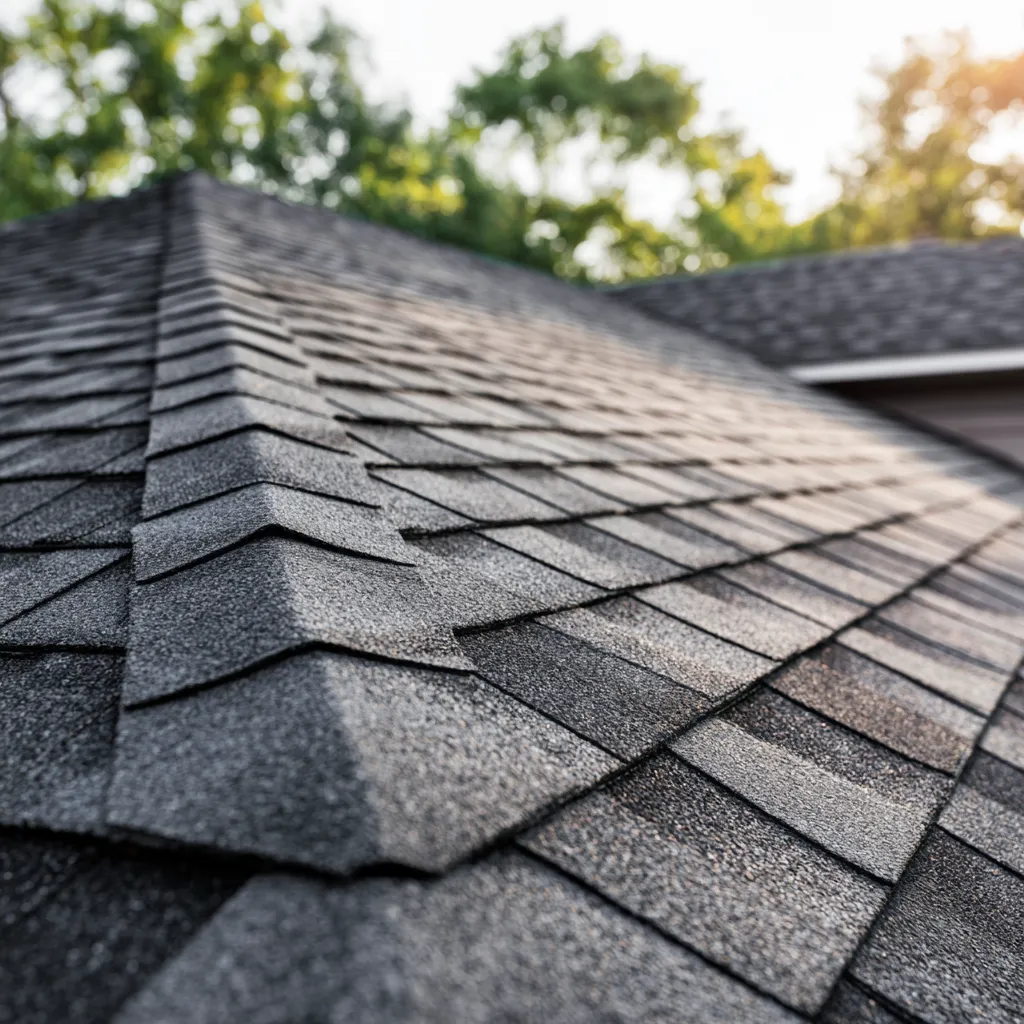
What goes on paper before the work
Honest coverage, in plain language.
The install goes in writing
The workmanship coverage is written into your job before it starts, so if something the roofer installed is not right, they come back and correct it. The exact terms follow the roof and the materials.
The product carries its own coverage
The shingle manufacturer warrants the material against defects, and that coverage holds best when the roof is installed to their printed spec, which is how a local roofer installs it.
You read the terms first
What is covered and for how long is on paper before any work begins, so there is no fine-print surprise on the day you actually need to use it.
Workmanship vs manufacturer coverage, side by side
The two warranties on a Garland roof, in plain terms.
Exact terms and lengths depend on the roof, the materials, and the roofer. You see your actual coverage in writing before any work starts.
What quietly voids a roof warranty
The everyday mistakes that cost Garland homeowners their coverage without a word of warning.
- Poor attic ventilation, which several manufacturers require in writing and will cite to deny a claim
- A new layer shingled straight over the old roof, a layover that voids most manufacturer coverage and hides the real deck
- Unpermitted work, so the covering is never inspected and the paper trail a warranty leans on is missing
- Pressure-washing the shingles or walking the roof carelessly, which strips granules and damages the mat
- Skipping the manufacturer registration when the product line requires it to activate full coverage
The biggest gap is the install itself, which is why a local roofer installs to manufacturer spec and pairs it with proper attic ventilation so the coverage actually holds. Ask to see the terms in writing before you sign.
Roof warranty questions
What Garland homeowners ask about coverage.
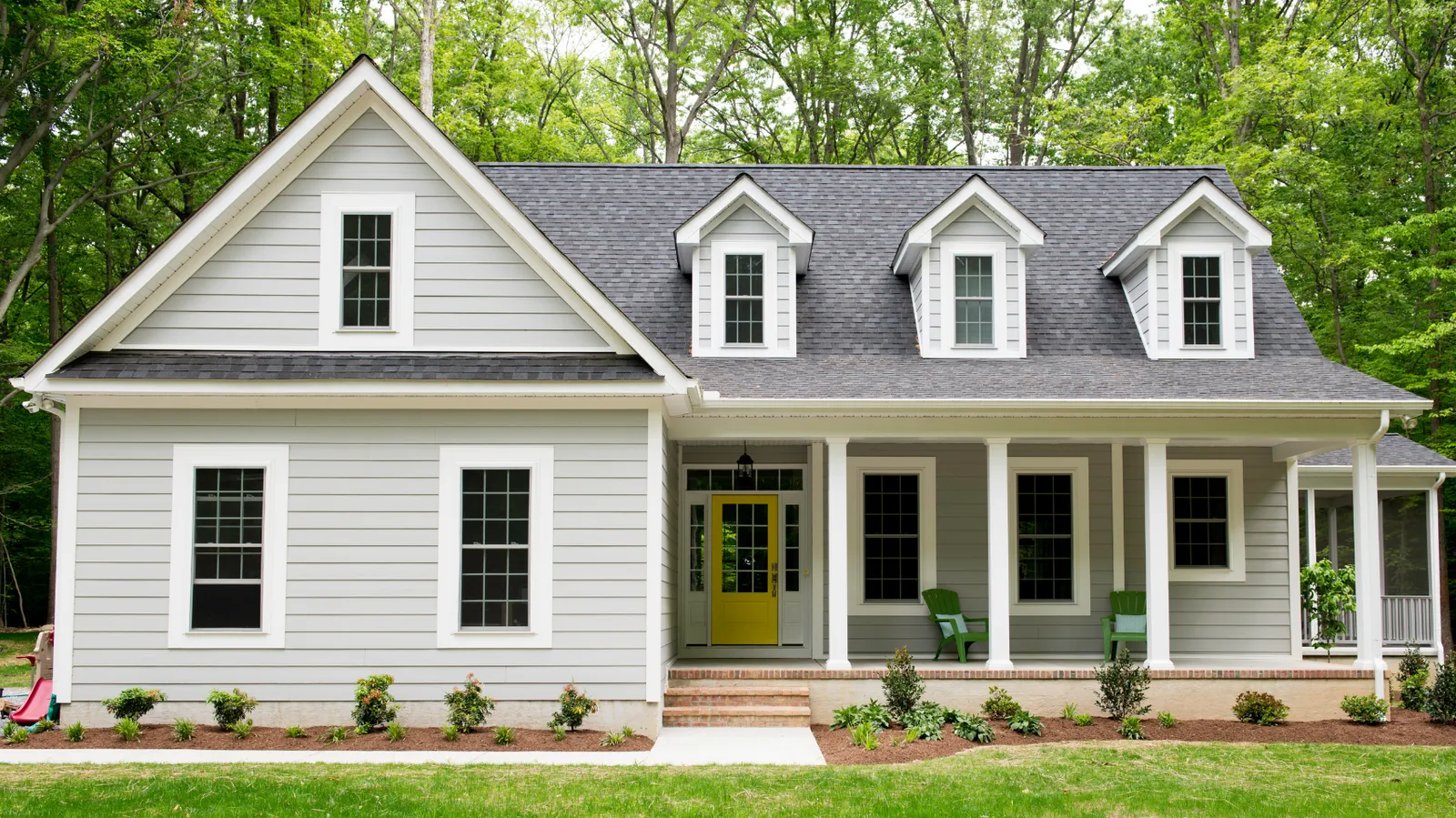
Get a Garland roof backed in writing
A local roofer inspects the roof, installs to manufacturer spec, and hands you the workmanship terms in writing, with the coverage laid out before any work begins.