
Roof Shingle Options for Garland, TX
Tier first, hail class second: two calls, not one.
In Garland a shingle really breaks down into a pair of calls made independently: the build tier, meaning 3-tab, architectural, or designer, and then whether Dallas County hail is worth a Class 4 impact rating on top. Both get walked here in plain terms before any money leaves your pocket.
Where Garland shingles really differ
Almost every mix-up over shingles starts by treating one decision as two, or two as one. Picture it as a tier and a class. The tier answers how the shingle is manufactured and what it looks like from the street, running from plain 3-tab, up through architectural (the dimensional or laminated shingle most homes wear today), and into the designer profiles that copy slate or cedar shake. The class is a different measurement entirely: UL 2218, an impact scale numbered 1 through 4 that grades how well a shingle takes a hailstone.
Because they are separate, a fairly priced architectural shingle might carry no impact rating at all, while a Class 4 version of that same architectural is engineered to absorb hail. For a county on record with 4 inch stones, the Class 4 jump is normally the upgrade that pays for itself. Read the table just below for the three build tiers; the checklist that follows it breaks down the UL 2218 numbers and when they matter.
No matter which tier ends up on the house, a correct install is what protects the manufacturer coverage, and the cost guide pins down where each tier plus the Class 4 add-on falls per square across DFW.
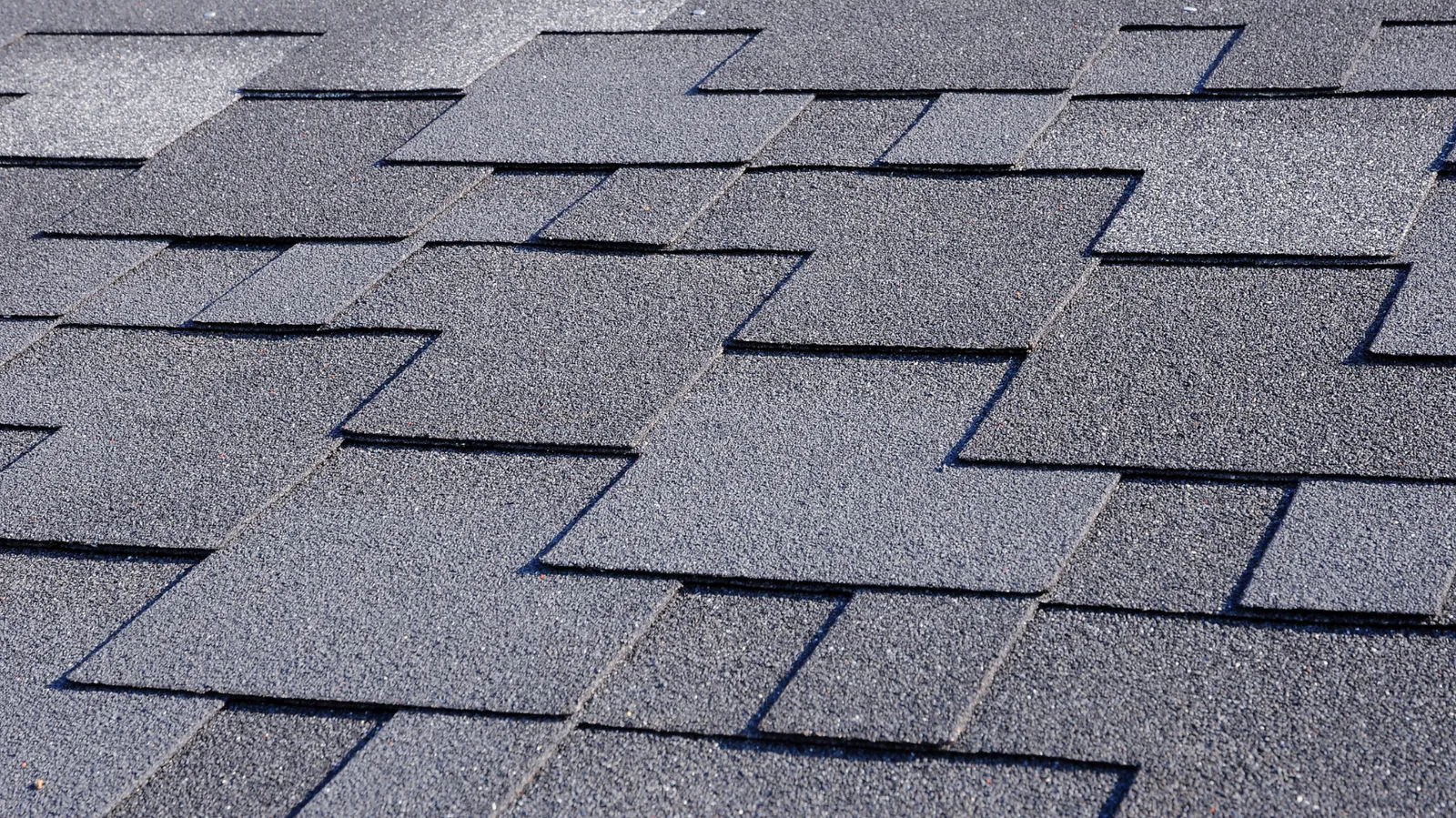
Three ways a shingle is built
Ranked plainest to richest, this is purely about construction and looks. The hail class is its own scale, laid out in the next section.
3-Tab Asphalt
A single flat layer with the same repeating cutout across the whole roof. It is the lightest and the cheapest to buy, but it carries the weakest wind number and tends to last only about 15 to 20 years, so it rarely goes on a new roof in Garland hail country.
Architectural Asphalt
Built from two layers laminated together, which gives it depth, shadow lines, and real thickness. It outlasts 3-tab, stands up to more wind, and for good reason it is what most Garland roofs default to now.
Designer & Luxury
The thickest and most sculpted profiles on the market, made to pass for real slate or cedar shake while skipping their weight and maintenance. These suit houses where the roof itself is the curb appeal.
Every tier here comes with or without the Class 4 rating, which is why the build tier and the hail class stay two separate calls. A local roofer names the exact product and prints its UL 2218 class on the written estimate.
3-tab vs architectural vs designer in Garland
A side-by-side on appearance, expected years, wind number, and price against each other. Remember the hail class rides on a different scale, unpacked just past this table.
Treat the years and wind numbers as typical DFW figures rather than promises; the real outcome turns on the exact product, the workmanship, the attic ventilation, and the storm count a roof lives through. The UL 2218 hail class covered below is its own spec and bolts onto any tier here.
UL 2218: the hail class stands on its own
In Garland this is the box worth checking. The scale climbs from Class 1 at the bottom to Class 4 at the top, and whatever it lands on, it layers over the build tier you already picked.
- The test behind the number drops a steel ball onto the shingle and checks the mat for cracks; that is UL 2218. Grades run from Class 1 at the weak end to Class 4, where a two inch steel ball bounces off and leaves the mat whole
- Thickness is not the same as toughness: plenty of architectural shingles sit low on the scale or carry no rating at all, so never read a heavier shingle as automatically Class 4
- Class 4 is the grade written for Dallas County, which has taken hail past 4 inches; it fights off the pitting that quietly shortens a roof's life and opens leaks, even though nothing on the market is fully hail-proof
- A Class 4 roof often earns a premium credit from Texas carriers, but the discount is not uniform, so check with your own insurer on what they knock off before committing
- Get the UL 2218 class written on the estimate in numbers, not hidden behind the phrase impact resistant, so you know precisely what is nailed to your roof
Stuck on which tier and which class the house and the budget call for? During a free inspection a local roofer climbs your actual roof, lays the choices out, and prices what the Class 4 step adds before anything is decided.
Shingle questions
Questions Garland homeowners bring up when picking shingles.
Get the right shingle on your Garland roof
On your actual roof a local roofer runs through the build tiers, sizes up the Class 4 question against Garland's hail history and whatever insurance credit applies, then leaves you with a single written number you can trust.